Though often overlooked, dust can pose serious challenges in construction, industrial, and mining operations. Left uncontrolled, dust can lead to health complications, environmental damage, and operational inefficiencies. Fine airborne particles may linger, creating respiratory hazards for workers and nearby communities. Additionally, dust can reduce visibility, cause accidents, and accelerate wear on machinery, resulting in higher maintenance costs and downtime.
Dust control is therefore essential to protect people, preserve the environment, and maintain smooth operations. Among the most effective solutions for managing dust are dust suppression trucks.
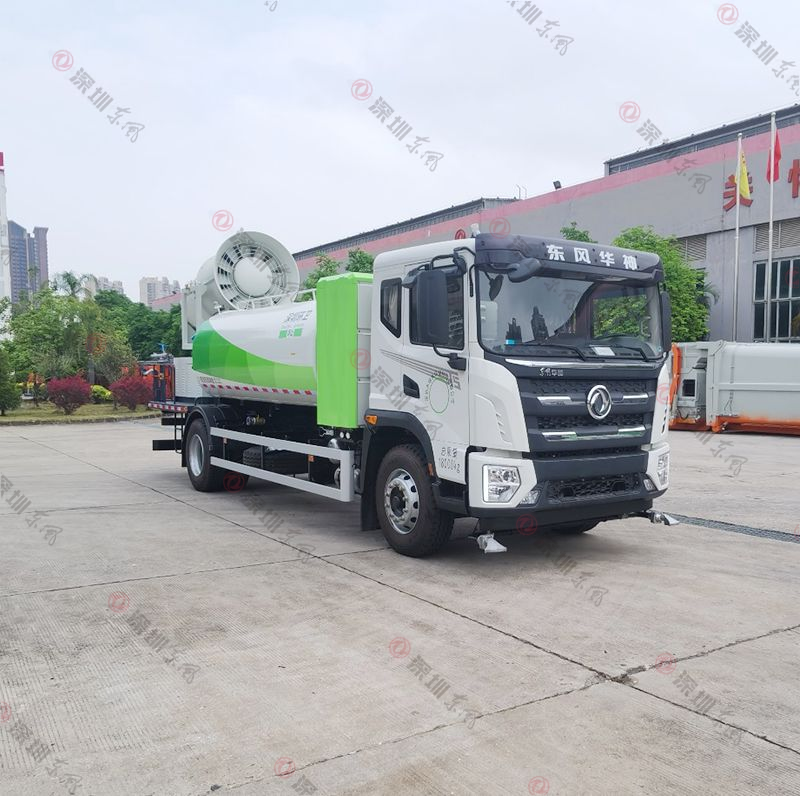
Dust suppression trucks are specialized vehicles built to spray water or other dust control solutions over dusty surfaces. They generally feature large storage tanks, high-powered pumps to pressurize the liquid, and multiple nozzles to ensure even distribution. These trucks are widely used in dust-prone areas such as construction sites, mining operations, unpaved roads, and quarries.
Health and Safety: Exposure to dust can trigger respiratory diseases, including silicosis, asthma, and chronic lung problems. Controlling dust is critical for safeguarding workers and nearby residents.
Environmental Protection: Dust can contaminate soil and water sources and harm plants and wildlife. Suppressing dust helps protect the surrounding ecosystem.
Regulatory Compliance: Many countries enforce strict regulations on dust emissions. Using dust suppression measures ensures businesses meet these requirements and avoid fines or legal penalties.
Operational Efficiency: Dust can interfere with machinery, causing wear, frequent breakdowns, and increased maintenance. Suppressing dust prolongs equipment life and keeps operations running smoothly.
Community Relations: For operations near residential areas, controlling dust emissions is key to maintaining positive relationships with neighbors and reducing complaints.
Water Tank: The main component of a dust suppression truck is its large liquid tank, which can hold water or a dust-control solution. Tank capacities usually range from 2,000 to 20,000 gallons depending on the truck size and area coverage requirements.
Pump System: Powerful pumps pressurize the liquid for effective spraying. The pump’s output determines both the reach and coverage of the spray, allowing dust to be controlled even in hard-to-reach areas.
Spray Nozzles: Multiple nozzles are positioned around the truck to ensure even distribution of the spray. Nozzles can typically be adjusted to produce anything from a light mist to a stronger stream depending on the dust control needs.
Control System: Modern trucks often include advanced control systems that let operators adjust flow rate, pressure, and spray patterns. Some trucks use sensors to detect dust levels and automatically regulate spraying.
Distribution: As the truck moves, pressurized water is sprayed onto surfaces. This process settles airborne particles and dampens surfaces, reducing the likelihood of future dust formation.
Standard Water Trucks: Equipped with a basic tank and spray system, these trucks are versatile and suitable for general dust control in construction, agricultural, and industrial environments.
High-Pressure Water Trucks: Featuring stronger pumps and advanced nozzles, these trucks deliver water at higher pressures for heavy-duty dust control in mining or large-scale construction projects.
Chemical Additive Trucks: In cases where water alone is insufficient, these trucks mix chemicals with water to bind dust particles, making them heavier and less likely to become airborne.
Fogging Trucks: Using high-pressure nozzles, these trucks create a fine mist or fog that effectively traps dust particles. They are especially useful in areas requiring gentle, precise dust control, such as residential construction zones.
Multi-Purpose Trucks: These trucks combine dust suppression with other functions like fire-fighting or road cleaning. They come with adaptable nozzles and systems for switching between different tasks as needed.
Advantages:
Efficient Dust Control: Highly effective in reducing dust, improving safety, and protecting health.
Versatility: Adjustable nozzles and control systems allow use in diverse environments and for varying dust control needs.
Regulatory Compliance: Helps businesses adhere to environmental rules, preventing fines and legal issues.
Operational Benefits: Reduces wear on machinery, lowers maintenance costs, and minimizes downtime.
Disadvantages:
Water Usage: Requires large amounts of water, which can be challenging in areas with limited water supply.
Costs: Initial investment and operation of high-end trucks can be expensive.
Maintenance: Pumps, nozzles, and control systems need regular servicing to remain effective.
Chemical Considerations: When additives are used, it is important to ensure they are environmentally safe and do not pollute.

Dust suppression trucks are essential for controlling dust in industrial, construction, and mining environments. By managing dust effectively, these trucks protect human health, safeguard the environment, and improve operational efficiency. Despite costs and maintenance requirements, their benefits make them a crucial investment for any dust-prone operation.
How often should dust suppression trucks be used?
Frequency depends on dust generation levels. High-dust sites like mines may need daily use, while less dusty areas may only require weekly treatments.
Can substances other than water be used?
Yes. Many trucks mix chemical additives with water to enhance dust suppression, especially where water alone is insufficient.
Are dust suppression trucks environmentally friendly?
When used properly, they are environmentally friendly. It’s important to consider water use and choose safe chemical additives.
What maintenance is required?
Regular checks of the pump system, nozzles, control systems, and cleaning of the tank are essential to keep the truck operating efficiently.
Can these trucks be used in residential areas?
Yes. Trucks with fogging systems or fine mist nozzles are suitable for residential zones, providing dust control without causing disturbance.