As communities place greater emphasis on sustainability and waste reduction, the management of kitchen waste—also known as organic or food waste—has become a critical focus. Unlike general household garbage, kitchen waste is highly perishable, moisture-rich, and prone to rapid decomposition. Without proper handling, it can create odors, attract pests, and contribute to environmental pollution.
Kitchen waste trucks are purpose-built to address these challenges, offering specialized features that support efficient, hygienic, and environmentally responsible collection within community waste programs.
Community-level kitchen waste programs face a unique set of operational difficulties:
High moisture content leading to leachate production
Rapid decomposition, causing strong odors
Contamination risks if mixed with other waste streams
Frequent collection requirements to maintain hygiene
Traditional garbage trucks are often not equipped to handle these conditions effectively. This is where dedicated kitchen waste trucks make a measurable difference.
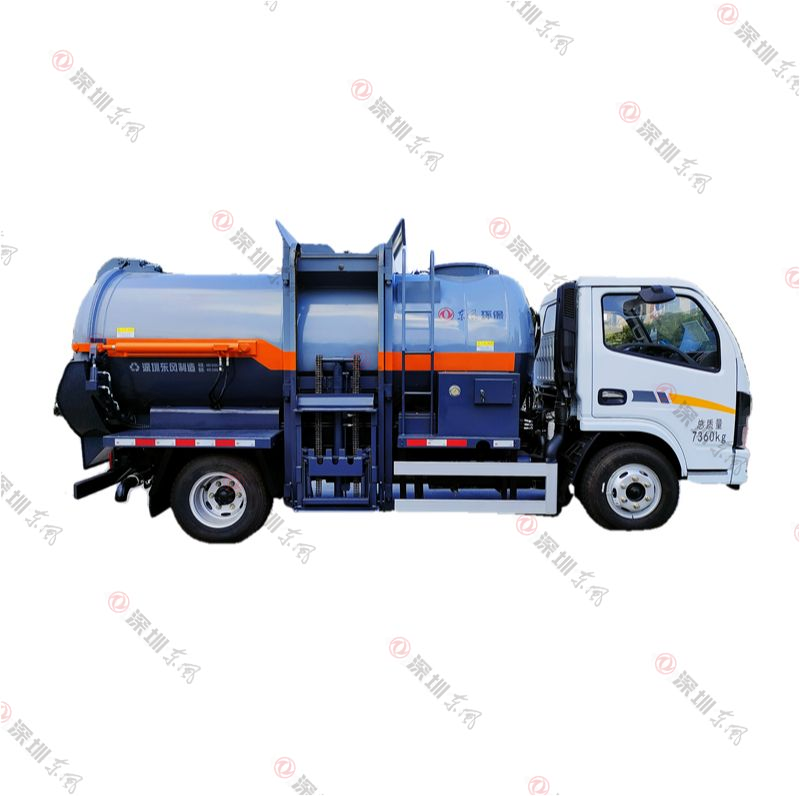
A kitchen waste truck is a specialized vehicle designed for the collection and transportation of organic waste. It typically includes a sealed tank or container, an automated loading system, and mechanisms for handling liquid byproducts.
Key components often include:
Sealed and corrosion-resistant storage tanks
Hydraulic lifting devices for standardized bins
Integrated leachate collection and drainage systems
Odor control or deodorization features
These features ensure that kitchen waste is managed in a controlled and sanitary manner from collection to processing.
1. Improved Hygiene and Odor Control
One of the most immediate advantages is the significant reduction in odors. Sealed compartments prevent the escape of unpleasant smells, which is especially important in residential neighborhoods, schools, and public spaces.
By containing both solid and liquid waste, these trucks help maintain cleaner streets and improve the overall quality of life for residents.
2. Prevention of Leachate Leakage
Kitchen waste produces liquid runoff that can leak from standard collection vehicles. This leachate can contaminate roads, stormwater systems, and soil.
Kitchen waste trucks are equipped with dedicated leachate tanks and drainage systems, ensuring:
No roadside contamination
Reduced environmental impact
Easier compliance with sanitation regulations
3. Enhanced Collection Efficiency
Automation plays a key role in modern kitchen waste trucks. Hydraulic bin lifters and compacting systems allow for faster collection cycles and reduced manual labor.
Benefits include:
Shorter collection times
Lower labor intensity
Increased daily collection capacity
This efficiency is particularly valuable in densely populated communities where waste volumes are high.
4. Support for Waste Segregation Programs
Effective waste segregation is essential for composting and resource recovery. Kitchen waste trucks are often integrated into source-separated waste systems, ensuring that organic waste remains uncontaminated.
This supports:
Higher-quality compost production
Improved biogas generation
Reduced landfill dependency
5. Environmental Sustainability
Proper handling of kitchen waste directly contributes to environmental goals. By facilitating composting or anaerobic digestion, these trucks help divert organic waste from landfills, reducing methane emissions.
Additionally, cleaner transport systems minimize secondary pollution, aligning with broader sustainability initiatives.
6. Increased Community Participation
When residents see a clean, efficient, and well-organized waste collection system, they are more likely to participate in sorting and disposal programs.
Kitchen waste trucks help build trust by:
Reducing visible mess and odors
Providing consistent and reliable service
Reinforcing the importance of proper waste separation
Kitchen waste trucks are widely used in:
Residential neighborhoods and housing complexes
Restaurants and food service districts
Schools, universities, and cafeterias
Markets and food processing areas
Their flexibility makes them suitable for both small-scale community programs and large municipal systems.
Selecting the appropriate vehicle depends on several practical considerations:
Daily waste volume and collection frequency
Type of containers or bins used by residents
Route conditions, including narrow streets or high-density areas
Integration with downstream processing facilities such as composting plants
Customization options—such as tank capacity, lifting mechanisms, and odor control systems—can further optimize performance.
To ensure long-term reliability and hygiene, regular maintenance is essential:
Routine cleaning of tanks and drainage systems
Inspection of seals to prevent leakage
Monitoring hydraulic systems for consistent operation
Scheduled servicing to prevent corrosion and wear
Proper maintenance not only extends equipment lifespan but also preserves its sanitary performance.
As communities move toward circular economy models, kitchen waste is increasingly viewed as a resource rather than a burden. Dedicated collection vehicles play a foundational role in this transition.
By enabling efficient separation, transport, and processing of organic waste, kitchen waste trucks help transform food scraps into valuable outputs such as compost, fertilizers, and renewable energy.
Kitchen waste trucks are more than just collection vehicles—they are essential tools for building cleaner, healthier, and more sustainable communities. For any waste program focused on organic waste management, investing in the right equipment can significantly improve both operational outcomes and environmental impact.