As urban populations grow and environmental regulations become stricter, managing kitchen and food waste has become a critical challenge for municipalities, hotels, restaurants, and industrial kitchens. A Kitchen Waste Truck is a specialized sanitation vehicle designed to collect, transport, and sometimes pre-process organic waste such as food scraps, grease, and biodegradable materials in a hygienic and efficient way.
This article provides a comprehensive overview of kitchen waste trucks, their features, applications, benefits, and how to choose the right model for your business or city operations.
A kitchen waste truck, also known as a food waste collection truck or organic waste truck, is a type of refuse vehicle specifically engineered for transporting wet and organic waste. Unlike standard garbage trucks, these vehicles are equipped with sealed tanks, anti-leak systems, and odor control technologies to handle liquid-rich food waste safely.
They are widely used in:
Municipal sanitation departments
Restaurants and catering companies
Hotels and resorts
Food processing plants
Airports, hospitals, and schools
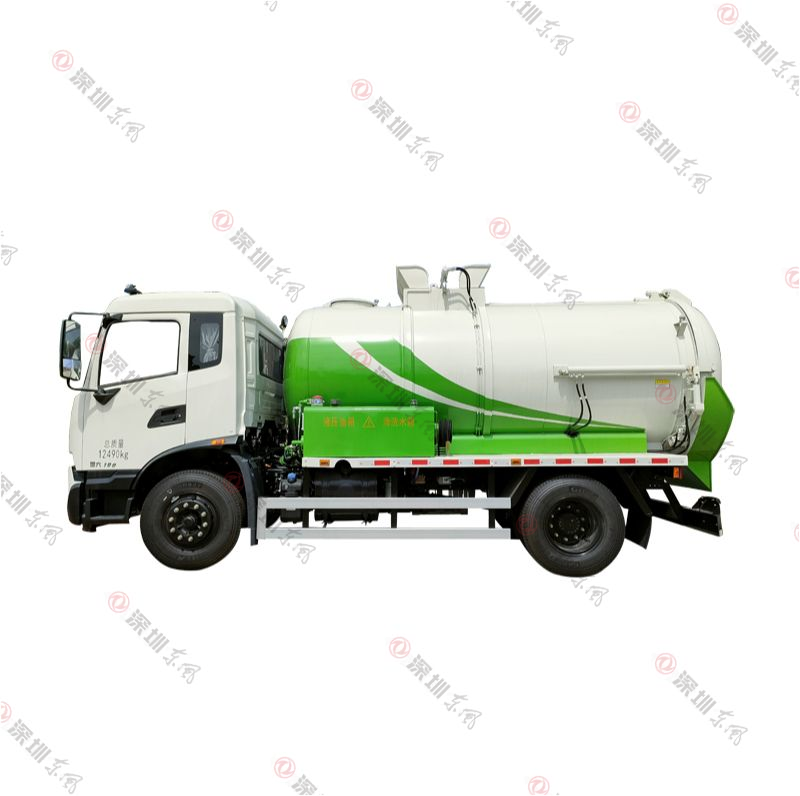
Kitchen waste trucks usually operate on a sealed compression or vacuum system:
Loading – Food waste is loaded manually or via bin lifters.
Compression/Storage – The waste is compacted or stored in a sealed tank.
Transportation – The vehicle transports waste to treatment facilities.
Discharge – Waste is unloaded through hydraulic or vacuum systems.
Some advanced models integrate grinding and dehydration systems, reducing volume before disposal.
1. Sealed Tank Design
Prevents leakage of liquids and avoids secondary pollution.
2. Odor Control System
Equipped with air filtration, activated carbon, or deodorizing sprays to minimize unpleasant smells.
3. Anti-Corrosion Materials
Stainless steel or special coated tanks resist acidic food waste.
4. Hydraulic Unloading
Fully automated dumping for fast and labor-saving operation.
5. GPS & Smart Management
High-end models support real-time tracking and digital fleet management.
Small Kitchen Waste Trucks
Suitable for small restaurants, campuses, and residential communities.
Capacity: 2–5 cubic meters.
Medium Kitchen Waste Trucks
Ideal for city districts and industrial kitchens.
Capacity: 6–10 cubic meters.
Large Kitchen Waste Trucks
Used by municipal waste departments and large processing centers.
Capacity: 12–20+ cubic meters.
Electric Kitchen Waste Trucks
Eco-friendly solution for smart cities with zero emissions and low noise.
Municipal Waste Management
Helps cities comply with organic waste separation policies and reduce landfill pressure.
Catering & Hospitality
Ensures hygienic disposal of food scraps from hotels and restaurants.
Food Processing Plants
Handles large volumes of organic byproducts efficiently.
Institutions
Hospitals and schools rely on kitchen waste trucks for daily food waste collection.
Improved Sanitation
Sealed systems prevent spills, pests, and bacterial growth.
Environmental Protection
Supports recycling into biogas, compost, or animal feed.
Cost Efficiency
Reduces manpower and improves transportation efficiency.
Regulatory Compliance
Meets government requirements for food waste treatment.
Enhanced Urban Image
Cleaner streets and better waste management improve public perception.
Traditional garbage trucks are designed for mixed dry waste and are not suitable for wet organic materials. Kitchen waste trucks offer:
Better leak prevention
Stronger corrosion resistance
Specialized odor control
Higher hygiene standards
This makes them essential for modern food waste management systems.
When selecting a kitchen waste truck, consider:
Capacity Requirements
Estimate daily waste volume and choose an appropriate tank size.
Power Type
Diesel, electric, or hybrid depending on local regulations.
Loading Method
Manual, bin lift, or automatic feeding system.
Local Service Support
Ensure spare parts and maintenance are available.
Compliance Standards
Check for CE, ISO, or local environmental certifications.
The global waste management industry is moving toward smart and sustainable solutions:
Integration with IoT systems
AI route optimization
Fully electric fleets
Onboard waste preprocessing
Connection with biogas plants
Kitchen waste trucks are becoming a key component in circular economy systems, transforming food waste into valuable energy and resources.
A Kitchen Waste Truck is no longer just a transport vehicle—it is a vital part of modern environmental infrastructure. Whether for a restaurant chain or a city sanitation department, investing in the right kitchen waste truck improves hygiene, reduces costs, supports sustainability, and ensures compliance with waste management regulations.
As governments worldwide strengthen organic waste policies, the demand for high-quality kitchen waste trucks will continue to grow, making them an essential asset for future urban development.