As cities worldwide face increasing pressure to improve environmental performance and meet stricter sanitation standards, waste collection systems are undergoing significant transformation. Among the most impactful upgrades in municipal fleets is the adoption of the Sealed Bin Garbage Truck—a specialized vehicle designed to reduce pollution, improve hygiene, and support sustainable urban development.
This article explores the environmental advantages of sealed bin garbage trucks, explaining why they have become a preferred solution for municipalities, sanitation contractors, and urban waste management authorities.
Conventional open or semi-sealed garbage trucks often struggle with environmental issues, especially in densely populated urban areas. Common problems include:
Leachate leakage contaminating roads and drainage systems
Odor emissions affecting nearby residents
Windblown litter during transportation
Increased attraction of insects and rodents
Secondary pollution during loading and unloading
These challenges not only degrade urban environments but also increase cleanup costs and regulatory risks for sanitation departments.
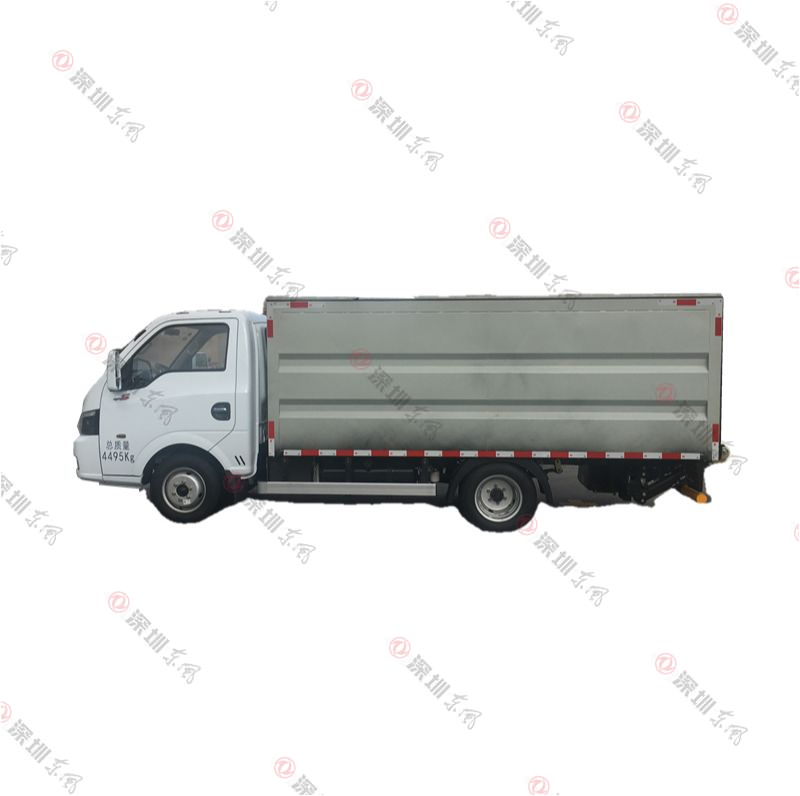
A Sealed Bin Garbage Truck is designed with a fully enclosed waste container system that prevents waste from being exposed during collection and transportation. Key design elements typically include:
Airtight or semi-airtight sealed bins
Leak-proof tank structures
Secure locking mechanisms
Controlled discharge systems
These features directly address the environmental weaknesses of traditional waste collection vehicles.
One of the most significant environmental advantages of sealed bin garbage trucks is their ability to prevent liquid leakage from waste.
Why This Matters
Kitchen waste and mixed municipal waste often contain high levels of moisture. When leachate escapes from open trucks, it can:
Pollute soil and groundwater
Enter stormwater drainage systems
Create slippery and hazardous road conditions
How Sealed Bin Garbage Trucks Help
Fully enclosed bins prevent liquid seepage during transit
Reinforced seals and corrosion-resistant materials ensure long-term leak protection
Cleaner roads reduce the need for frequent washing and chemical cleaning
This directly supports municipal water protection and pollution control goals.
Odor pollution is one of the most common public complaints related to waste collection.
Environmental Impact of Odor Emissions
Reduced quality of life for residents
Increased airborne bacteria in warm climates
Negative impact on tourism and commercial districts
Sealed Bin Garbage Truck Advantage
Enclosed structures trap odors inside the bin
Reduced exposure to air limits waste decomposition during transport
Optional deodorization or ventilation control systems further improve performance
As a result, sealed bin garbage trucks help improve urban air quality, especially in high-density residential and commercial areas.
Secondary pollution occurs when waste spills, drips, or disperses during loading, transportation, or unloading.
Sealed bin garbage trucks minimize this risk by:
Preventing windblown debris
Enabling controlled, centralized discharge
Reducing waste residue left on streets and transfer stations
Cleaner collection processes mean fewer environmental contaminants and lower sanitation maintenance costs for cities.
Many cities are implementing strict waste sorting and recycling policies. Sealed bin garbage trucks play a key role in supporting these systems.
Environmental Benefits
Maintains separation of waste categories during transport
Reduces contamination between recyclable and organic waste streams
Improves efficiency of downstream recycling and treatment facilities
By preserving waste quality, sealed bin garbage trucks contribute to higher recycling rates and more effective organic waste processing.
Open waste transport attracts insects, birds, and rodents, increasing the risk of disease spread and environmental imbalance.
Sealed Transport Advantage
Enclosed bins block access to pests
Reduced waste exposure limits pathogen transmission
Improved hygiene protects both workers and the public
This is particularly important in warm or humid regions where biological activity accelerates waste degradation.
Waste leakage and spillage from traditional trucks often require:
Frequent street washing
Chemical disinfectants
Additional labor and water consumption
Sealed bin garbage trucks significantly reduce these requirements, resulting in:
Lower water usage
Reduced chemical runoff
Decreased carbon footprint of sanitation operations
These indirect environmental benefits contribute to more sustainable municipal services.
While sealed bin garbage trucks are not directly responsible for waste treatment, they improve the efficiency of the entire waste management chain.
Environmental contributions include:
More efficient routing and collection cycles
Reduced repeat trips caused by cleanup needs
Compatibility with modern low-emission or alternative-fuel chassis
Together, these factors support broader climate and sustainability initiatives in urban waste management.
Environmental regulations increasingly require:
Leak-free waste transport
Odor control measures
Reduced public exposure to waste
Sealed bin garbage trucks are designed to meet or exceed these requirements, helping municipalities:
Avoid regulatory penalties
Improve compliance documentation
Demonstrate commitment to environmental protection
This alignment makes them a future-proof investment for sanitation fleets.
The environmental advantages of sealed bin garbage trucks make them an essential component of modern waste management systems. By preventing leakage, controlling odors, reducing secondary pollution, and supporting recycling initiatives, these vehicles help cities achieve cleaner streets, healthier communities, and more sustainable operations.
For municipalities and sanitation contractors focused on environmental responsibility and long-term efficiency, sealed bin garbage trucks represent a smart and future-ready solution.