With the rapid growth of urban populations and stricter environmental regulations, municipal sanitation departments are under increasing pressure to manage food waste more efficiently, hygienically, and sustainably. Among the many solutions available, the Kitchen Waste Truck has become a critical piece of equipment in modern municipal waste management systems.
This article explores how kitchen waste trucks are applied in municipal sanitation, their operational advantages, key application scenarios, and why cities worldwide are integrating them into long-term waste management strategies.
Kitchen waste—also referred to as food waste or organic waste—includes leftovers from households, restaurants, hotels, canteens, markets, and food processing facilities. In municipal systems, this waste presents unique challenges:
High moisture content
Rapid decomposition
Strong odors
Risk of leakage and secondary pollution
Traditional garbage trucks are not designed to handle these characteristics efficiently. This is where specialized kitchen waste trucks play a vital role.
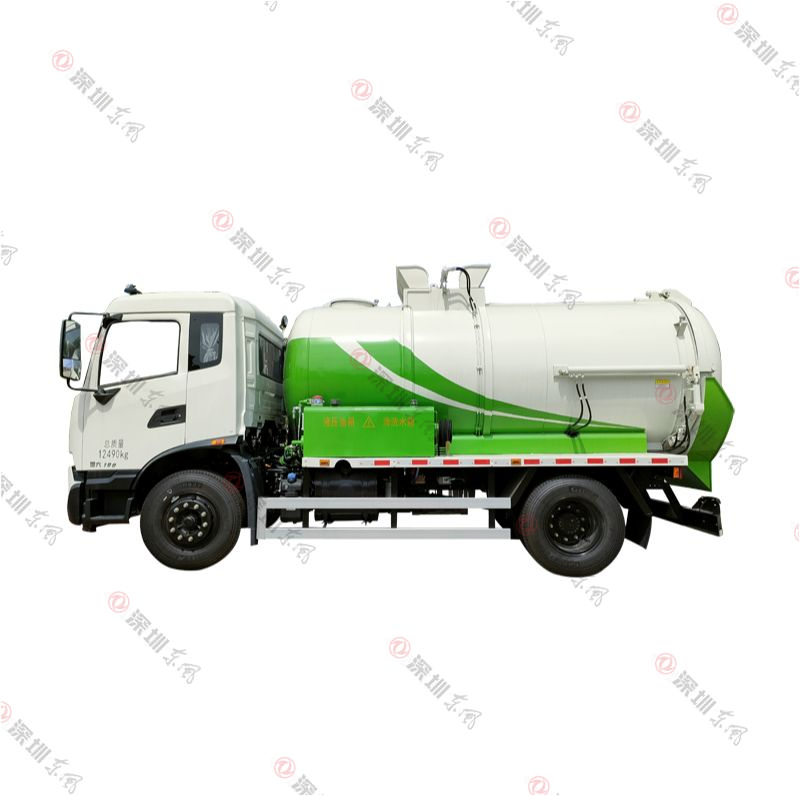
A Kitchen Waste Truck is a purpose-built sanitation vehicle designed specifically for the collection, transportation, and controlled unloading of organic food waste. Unlike general refuse trucks, it integrates features such as:
Sealed tanks to prevent leakage
Corrosion-resistant materials
Odor control systems
Efficient loading and discharge mechanisms
In municipal sanitation, these trucks are deployed as part of separate waste collection systems, supporting waste sorting policies and environmental goals.
1. Urban Residential Food Waste Collection
In cities implementing mandatory waste classification, kitchen waste trucks are widely used for daily or scheduled collection from residential communities.
Key benefits in this scenario include:
Leak-proof transportation prevents contamination of streets and drainage systems
Sealed tanks reduce odor complaints from residents
Compact models allow access to narrow urban roads and residential areas
These trucks help municipalities maintain cleanliness while encouraging public participation in food waste separation programs.
2. Restaurant, Hotel, and Catering District Collection
Commercial food service zones generate large volumes of kitchen waste with high moisture and oil content. Municipal sanitation departments often deploy medium to large-capacity kitchen waste trucks for these areas.
Advantages include:
High-efficiency loading systems suitable for standardized bins
Anti-corrosion tank structures for long-term durability
Faster collection cycles to support high-frequency operations
This application is especially critical in city centers, tourism districts, and business zones where hygiene standards are closely monitored.
3. Centralized Market and Food Processing Area Sanitation
Wet markets, wholesale food centers, and food processing clusters require strict sanitation control. Kitchen waste trucks serve as the backbone of waste logistics in these areas by:
Handling heavy organic waste loads
Preventing liquid seepage during transport
Supporting continuous collection without secondary pollution
Their use significantly reduces the risk of pest infestation and environmental contamination around food-related municipal facilities.
4. Integration with Food Waste Treatment Facilities
Modern municipal sanitation systems often link kitchen waste collection directly to biogas plants, composting facilities, or organic waste recycling centers.
Kitchen waste trucks enable:
Direct transportation of sorted food waste
Controlled unloading compatible with treatment equipment
Reduced preprocessing requirements at recycling plants
This integration supports circular economy goals by turning municipal food waste into renewable energy or organic fertilizer.
5. Daily High-Frequency Collection in Dense Urban Areas
In densely populated cities, food waste must be collected daily or even multiple times per day to prevent odor and health issues.
Kitchen waste trucks are ideal for such operations because they are designed for:
High-frequency use
Easy cleaning and maintenance
Stable performance under continuous operation cycles
Municipal sanitation teams rely on these trucks to maintain consistent service quality without compromising efficiency.
Improved Environmental Protection
By preventing leakage and odor emissions, kitchen waste trucks help municipalities:
Reduce soil and water pollution
Improve air quality in residential zones
Meet stricter environmental regulations
Enhanced Public Hygiene and Safety
Sealed systems reduce exposure to pathogens and pests, contributing to:
Cleaner streets
Safer working conditions for sanitation staff
Higher public satisfaction with municipal services
Operational Efficiency and Cost Control
Purpose-built kitchen waste trucks reduce:
Cleaning costs caused by waste leakage
Maintenance costs from corrosion damage
Labor intensity through automated loading and discharge systems
Over time, this translates into a lower total cost of ownership for municipal fleets.
Municipal buyers typically choose configurations based on city size and collection volume, including:
Small-capacity trucks for residential communities
Medium-capacity trucks for mixed urban zones
Large-capacity trucks for centralized commercial districts
Customization options often include tank volume, chassis selection, discharge method, and control systems to match specific municipal requirements.
As cities adopt smart sanitation systems, kitchen waste trucks are increasingly integrated with:
GPS tracking for route optimization
Digital monitoring of waste volume
Data-driven scheduling for collection frequency
These features improve transparency, accountability, and overall efficiency in municipal waste management operations.
The application of Kitchen Waste Trucks in municipal sanitation is no longer optional—it is essential for modern cities seeking efficient, hygienic, and sustainable waste management solutions. From residential neighborhoods to commercial districts and recycling facilities, these vehicles play a central role in managing organic waste responsibly.
For municipal procurement teams, understanding application scenarios, operational benefits, and long-term value is key to selecting the right kitchen waste truck solution and building a cleaner urban environment.